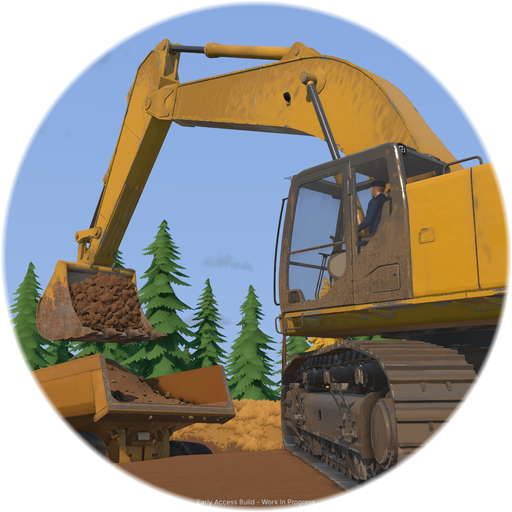
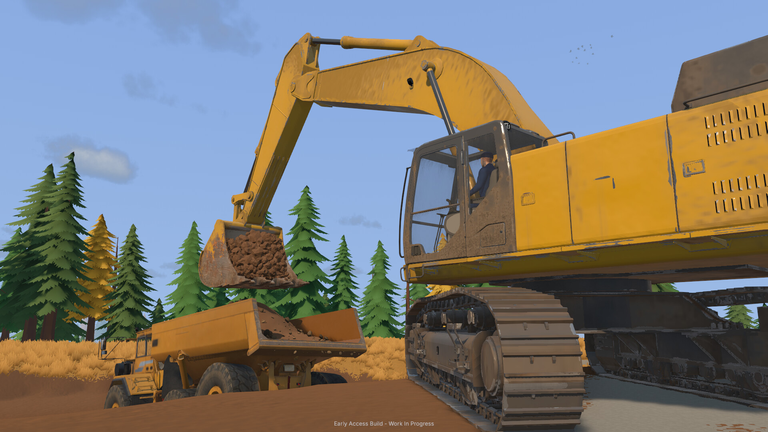
Have you ever wanted to command heavy earth-moving equipment, reshape open-world terrain, and hunt for valuable gold deposits from your PC? Groundwork Simulator delivers exactly that kind of sandbox ambition, blending construction simulation with prospecting mechanics. In this Groundwork Simulator review, we dive deep into whether this ambitious indie title lives up to the heavy machinery hype or if it still needs a lot of work in Early Access.
What is Groundwork Simulator? Core Gameplay and Mechanics
Developed by XYZ Studios, Groundwork Simulator drops players into an open-world landscape equipped with excavators, wheel loaders, bulldozers, and drill rigs. The primary objective is to transform an untouched claim into a profitable mining empire. Unlike standard vehicle simulators, the game heavily emphasizes physical material handling. Every scoop alters the topography, creating realistic mounds, trenches, and dynamic sloped surfaces that impact your vehicle navigation.
The core gameplay loop moves from exploration to extraction. You first test the terrain using specialized drill rigs and soil scanners to locate gold-bearing pay dirt. Once you identify a lucrative spot, you strip away the topsoil, load material into trucks, and transport it to your wash plant. Setting up a functional operation requires routing water pumps and hoses from nearby lakes or rivers to keep your sluice boxes and trommels running efficiently.
| Gameplay Phase | Primary Action | Required Equipment |
|---|---|---|
| Exploration | Soil sampling & surveying | Drill rigs, metal detectors |
| Excavation | Digging and stripping earth | Excavators, bulldozers |
| Transport | Hauling raw pay dirt | Rock trucks, wheel loaders |
| Processing | Washing and separating gold | Trommels, wash plants, pumps |
Graphics, Performance, and Audio Quality
When evaluating Groundwork Simulator, visual fidelity and performance represent a double-edged sword. Graphically, the title utilizes a stylized art approach reminiscent of games like Art of Rally. While the environmental design has a certain charm, player experience reports indicate that the overall asset quality can feel rough around the edges, with some UI elements and character models looking heavily reliant on generative AI placeholder assets.
Performance optimization also proves demanding despite the modest-looking graphics. Complex soil and fluid calculations put a heavy burden on the CPU, occasionally leading to stuttering frame rates or audio glitches.
| System Component | Minimum Requirements | Recommended Requirements |
|---|---|---|
| Operating System | Windows 10 (64-bit) | Windows 11 (64-bit) |
| Processor | Intel Core i5-8400 / Ryzen 5 2600 | Intel Core i5-12400 / Ryzen 5 5600 |
| Memory (RAM) | 16 GB | 24 GB – 32 GB |
| Graphics Card | NVIDIA GTX 1070 (8GB VRAM) | NVIDIA RTX 3060 / AMD RX 6600 |
| Storage Space | 10 GB available space | 10 GB available space |
Community Feedback: Early Access Tensions
Launching into Steam Early Access on October 22, 2026, Groundwork Simulator received a mixed reception from early adopters. While sandbox fans appreciate the open-ended terraforming and cooperative multiplayer modes, community reviews highlight significant launch-day friction.
Common player complaints center around awkward keyboard-and-mouse vehicle controls, animation quirks, and bugs that can derail the introductory tutorial. Conversely, supporters argue that review-bombing an Early Access version 0.1 is unfair, urging developers to refine the core physics foundation before adding new content. For more details on the community reception, check out the official Steam Store page for Groundwork Simulator.
| Review Sentiment | Key Arguments | Player Count / Playtime |
|---|---|---|
| Positive Reviews | Great physics, satisfying co-op loop, excellent controller support. | Usually 2+ hours played |
| Negative Reviews | Stiff animations, UI bugs, lack of initial polish, audio dropouts. | Under 1 hour played |
Solo Play vs. Online Co-Op Experience
Running a gold mining operation entirely on your own requires patience. You must juggle excavating, driving dump trucks, repositioning water hoses, and cleaning concentrate mats on the shaking table. Fortunately, Groundwork Simulator supports online co-op for up to four players.
Dividing labor among friends dramatically improves the game’s pacing. One player can focus on operating the excavator and digging trenches, a second can handle material transport with a rock truck, while others manage the wash plant and water supply system. This division of labor turns a tedious solo grind into an engaging team-building project.
| Role Assignment | Recommended Machine | Core Responsibility |
|---|---|---|
| Master Excavator | Tracked Excavator / Dozer | Stripping overburden & digging pay dirt |
| Logistics Driver | Heavy Dump Truck | Hauling dirt between site and plant |
| Plant Operator | Water Pumps & Wash Plant | Managing fluid flow and sluice boxes |
| Finishing Tech | Shaking Table | Processing final gold concentrate |
Verdict: Should You Buy Groundwork Simulator?
Ultimately, this Groundwork Simulator review reveals a game with immense sandbox potential held back by typical early access growing pains. If you love deep vehicle physics, terraforming mechanics, and cooperative gold mining with friends, the core loop provides plenty of entertainment. However, if you have zero patience for rough animations, control quirks, and bug fixes arriving over a 3-to-6-month roadmap, you may want to let the game cook a bit longer.
Frequently Asked Questions
Is Groundwork Simulator available on consoles?
Currently, Groundwork Simulator is only available for PC and macOS via Steam. There has been no official announcement regarding console ports for PlayStation or Xbox.
How many players can play together in co-op?
The game supports online co-op multiplayer for up to four players, allowing you to divide tasks like excavation, hauling, and washing concentrate.
How long will Groundwork Simulator stay in Early Access?
The developers estimate that the game will remain in Early Access for approximately 3 to 6 months, depending on community feedback and bug-fixing progress.