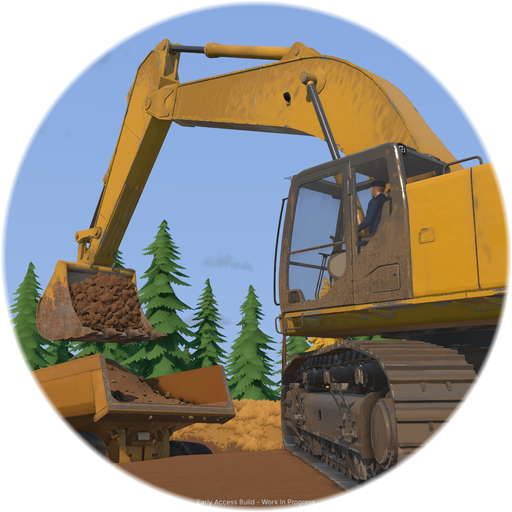
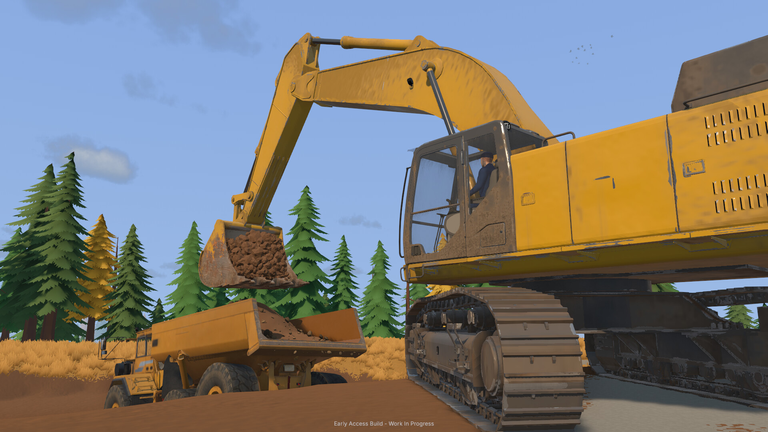
If you have ever wanted to test your engineering prowess while striking it rich, the upcoming PC simulation space offers plenty of heavy-duty excitement. Understanding Groundwork Simulator digging mechanics is essential for anyone looking to transform a raw, open-world landscape into a profitable gold-mining operation. Mastering Groundwork Simulator digging mechanics allows you to operate massive industrial equipment effectively, reshape the terrain precisely, and uncover hidden fortunes buried deep beneath the earth.
Understanding the Core Excavation Systems
The foundation of any good simulation game lies in how the environment reacts to player input. In this upcoming Steam title, the terrain is not just a static background; it is a fully dynamic sandbox waiting to be altered.
Players can manipulate the earth freely, creating trenches, massive pits, and sloping access roads. Because you can dig anywhere, every session offers a unique layout challenge. Managing the bucket angle, depth, and vehicle positioning makes all the difference between a clean extraction and an unstable, messy slope.
| Machine Type | Primary Role | Best Use Case in Digging |
|---|---|---|
| Excavator | Deep digging & trenching | Breaking hard ground layers and loading material |
| Wheel Loader | Material transport & cleanup | Scooping loose earth and clearing working areas |
| Bulldozer | Terrain leveling & grading | Pushing dirt, smoothing paths, and shaping landscapes |
Proper machine selection ensures that your extraction workflow remains efficient. According to community reports, balancing excavator trenching with bulldozer grading is the quickest way to prevent bottlenecking your material transport line.
Step-by-Step Guide to Prospecting and Extraction
Before you start tearing up the landscape aimlessly, you need a strategy. Successful excavation requires careful planning, from initial testing to final mineral recovery.
Phase 1: Testing Deposits
Never start digging blind. Use initial testing tools to locate promising mineral deposits across the open-world map. Pinpointing high-yield areas saves hours of wasted fuel and machinery wear.
Phase 2: Excavating and Reshaping
Once you identify a viable deposit, bring in the heavy iron. Operating excavators requires a steady hand and an understanding of physics.
- Position your tracks perpendicular to the digging face for maximum stability.
- Avoid overfilling your bucket, as sliding material can destabilize your load.
- Dig in layers rather than trying to carve out massive vertical walls at once.
Phase 3: Transport and Washing
Digging up dirt is only half the battle. You must load the excavated material into transport vehicles, haul it to your processing plant, and run it through the wash plant to separate the valuable gold from ordinary sediment.
| Workflow Step | Required Equipment | Key Objective |
|---|---|---|
| 1. Prospecting | Testing kits / Scanners | Find high-concentration gold deposits |
| 2. Excavation | Excavators & Bulldozers | Dig up and loosen earth |
| 3. Transport | Wheel Loaders & Haulers | Move raw material to the wash plant |
| 4. Washing | Wash Plant Setup | Separate gold flakes from waste dirt |
Heavy Machinery Control and Physics
Operating heavy equipment realistically requires patience. The game emphasizes authentic vehicle handling, meaning your choice of machine directly impacts your excavation speed.
When operating large excavators, managing boom, arm, and bucket controls simultaneously takes practice. Player experience from early playtests highlights that smoothing out your joystick or mouse movements prevents the bucket from slipping and spilling precious payload before it even reaches the transport bed.
Furthermore, reshaping the open world alters your driving routes. If you dig too close to your own transport paths, you might create steep drop-offs that require a bulldozer to fix. Keeping your mining site organized is just as important as the digging itself.
Cooperative Play and Team Efficiency
You do not have to tackle the untamed wilderness alone. The game features online co-op, allowing you to team up with friends to divide and conquer the workload.
| Role Assignment | Recommended Task | Cooperative Advantage |
|---|---|---|
| The Operator | Excavator control | Focuses entirely on deep digging and loading |
| The Transporter | Wheel loader operation | Keeps transport loops running without stopping |
| The Supervisor | Bulldozer & Wash plant | Maintains roads and oversees gold recovery |
Assigning specific roles drastically increases your overall output. While one player focuses strictly on the intricate excavation mechanics, another can shuttle dirt to the wash station, ensuring non-stop operations.
Preparing for Steam Early Access
As the game prepares for its upcoming release on Steam, simulation fans are eager to see how the terrain deformation stacks up against genre staples. Ensuring your PC rig is ready to handle real-time physics calculations will guarantee a smooth experience.
| System Requirement Level | Hardware Focus | Why It Matters for Groundwork Simulator |
|---|---|---|
| Minimum | Quad-core CPU / Mid-tier GPU | Handles basic terrain manipulation and single-player tasks |
| Recommended | Modern 6-core CPU / 16GB RAM | Essential for smooth online co-op and dense physics calculations |
Frequently Asked Questions
What are the main tools used in Groundwork Simulator digging mechanics?
Players primarily use heavy machinery such as excavators for deep trenching, wheel loaders for moving loose earth, and bulldozers for grading and shaping the open-world terrain.
Can I play the game with friends?
Yes, the game supports online co-op, allowing you to team up with other players to divide tasks like excavation, material transport, and gold washing.
Is the terrain fully destructible and modifiable?
The open world features dynamic terrain deformation, meaning you can dig anywhere, reshape landscapes, and carve out customized mining sites from scratch.
Where can I wishlist and follow the game’s development?
You can find more details and add the title to your wishlist by visiting the official Groundwork Simulator Steam page.